
Bali is the kind of place that makes a week feel like not enough—and you’d be right. Between surf breaks and sunset temples, rice-terrace mornings and island-hopping detours, you could spend a month here and still have a list. The challenge with the best things to do in Bali isn’t finding activities. It’s figuring out which ones are actually worth your limited days. This guide narrows the field, organized by personality type and travel style, so your Bali itinerary feels like yours.
One quick note before the list: the activities you’ll love most in Bali depend a lot on when you visit and where you base yourself. For a full breakdown of dry season vs. wet season and the months worth prioritizing, our guide to the best time to visit Bali is worth a read before you book.
The Quick “Choose Your Bali” Cheat Sheet
Short on time? Match your base to your vibe: beach energy and nightlife put you in Canggu or Seminyak, with a day trip to Uluwatu. Culture, nature, and wellness? Ubud is the answer. Dramatic scenery and adventure? Nusa Penida — ideally overnight. Slow ocean living and snorkeling? Nusa Lembongan or the Gili Islands. Now let’s get into the good stuff.
1. Surf — Or At Least Try It Once
The moment you arrive at Denpasar International Airport, you’ll notice the surfboard bags rolling around baggage claim. Bali is a serious surf magnet, and the island has breaks for every skill level — from mellow whitewash in Kuta to technical reef breaks at Uluwatu. After you’ve made the long haul from the US to Bali, renting a soft-top board and paddling into a beginner break is one of the most fun ways to spend a first morning.
For first-timers, stick to Kuta, Legian, or the Batu Bolong stretch of Canggu — all have forgiving waves, plenty of surf schools, and a low-pressure vibe that makes learning actually enjoyable. Intermediate and experienced surfers tend to gravitate toward Uluwatu, Bingin, Padang Padang, and Keramas. Lesson and rental prices vary a lot depending on where you book, so walk around and compare before committing. The easiest approach: rent a soft-top, find a reputable instructor, and don’t overthink it.
2. Canggu: Beach Days, Great Cafes, Low-Key Nights
Canggu has become Bali’s social hub for good reason — it nails the balance between beach town and cosmopolitan. The black-sand beaches, buzzing cafe scene, and easygoing nightlife create a place where people consistently stay longer than planned. The breakfast and brunch scene here is genuinely excellent. If you want a full rundown of where to eat in the morning across Bali, our guide to the best breakfast spots in Bali covers the top picks.
Catching sunset near Batu Bolong is practically a nightly ritual. Old Man’s Bar — right by the surf break — is the classic anchor point: reliably fun, social, and a good mix of travelers and locals. For a more polished afternoon, The Lawn beach club is worth a visit. As for nightlife, the speakeasy scene in Canggu is genuinely fun — look for bars with hidden-door concepts and cocktails that take the “character” part seriously.
3. Nusa Penida: Go Overnight If You Can
Nusa Penida is the “wow” button for most visitors. Dramatic cliffs, bright turquoise water, and viewpoints that look designed for a film shoot — the island earns its reputation. But here’s the thing most day-trippers discover too late: Nusa Penida has two distinct sides (east and west), and trying to cover both in a single day means spending most of it in a car. Go overnight — even just one night — and everything changes. Pick one side per day, actually stop and look around, and you’ll leave far more satisfied than the people who rushed it.
Snorkeling and diving trips from Nusa Penida are popular for manta rays, sea turtles, and colorful reefs. Wildlife encounters are never guaranteed, so go in with realistic expectations — and choose operators who keep a respectful distance from the animals. You’ll have a better experience, and so will they.
4. Island-Hopping: Nusa Lembongan and the Gili Islands
If the pace of Bali starts feeling fast — and it can — island-hopping is the built-in reset. Nusa Lembongan is a calmer, slightly less intense alternative to Penida: gorgeous water and solid snorkeling, with a more easygoing rhythm. It’s a good fit for travelers who want the island experience without dramatic cliffside roads.
The Gili Islands (technically off Lombok, but commonly part of the same trip) run on a completely different clock. Cars and gas-powered scooters are banned outright — you’ll get around by foot, bicycle, or one of the electric scooters that have become common in recent years — with water so clear it almost doesn’t look real. Gili Trawangan is the liveliest and most social of the three; Gili Air hits a nice middle ground; Gili Meno is quiet, mellow, and has a strong honeymoon energy. Any of them make a natural reset from the main island, and a night or two on even one Gili is worth the boat ride.
5. Rice Terraces: Tegalalang vs. Jatiluwih
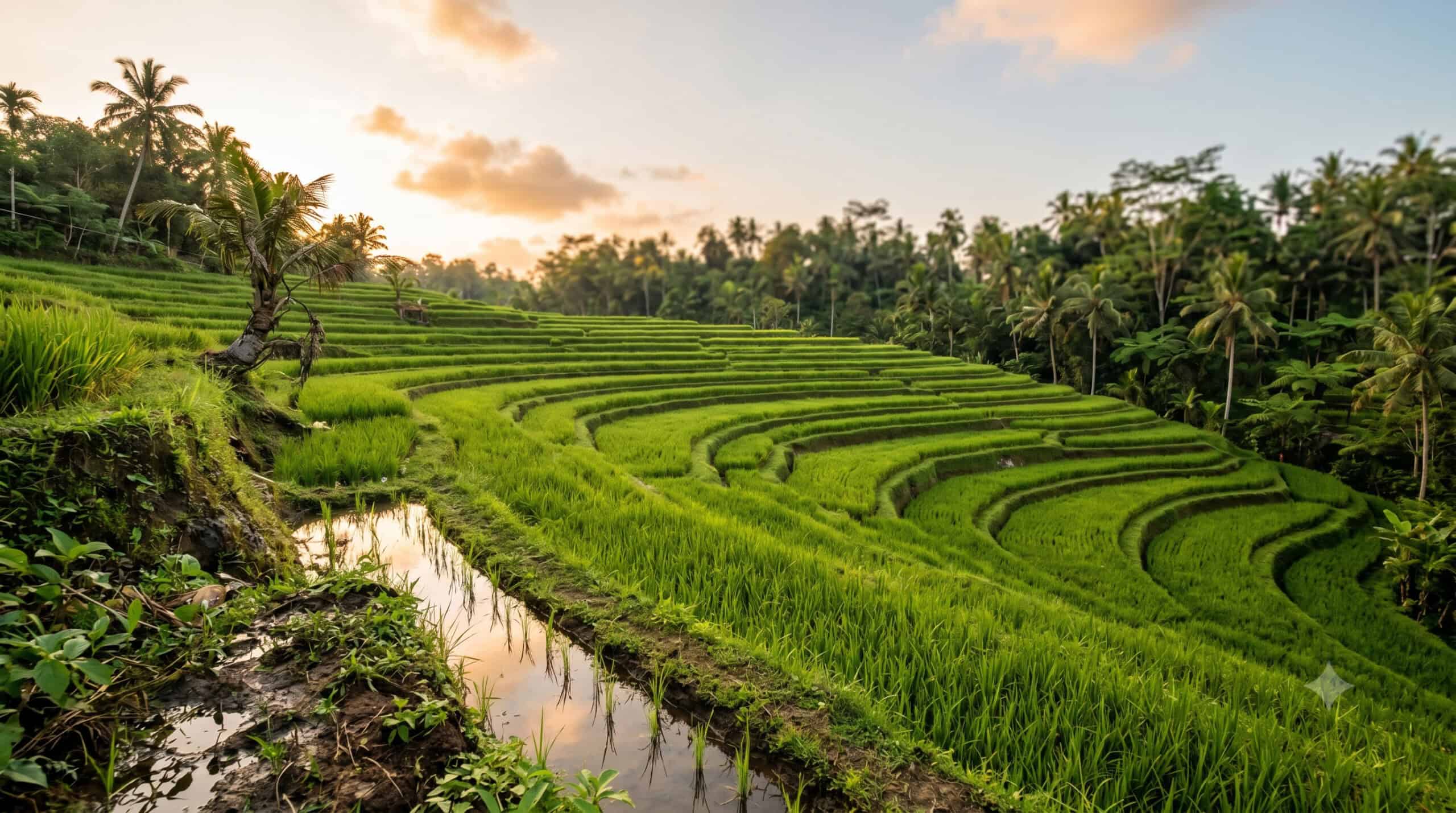
A rice terrace visit is one of those experiences that sounds touristy until you’re actually standing in one, watching the light shift across the paddies and listening to very little. It’s genuinely calming. The two main options are quite different from each other.
Tegalalang, just north of Ubud, is the more accessible and photogenic choice — a short half-day outing with plenty of cafes and viewpoints nearby. Go early. The difference between “serene morning terraces” and “crowded midday photo queues” is very real. Jatiluwih, located in the highlands of Tabanan Regency, is on a different scale entirely. Covering over 600 hectares, it was recognized as a UNESCO World Heritage Site in 2012 for the ancient subak irrigation system — a cooperative water-sharing network dating back to the 9th century. It takes more effort to reach, but if you want walking trails through actual working rice fields and a proper sense of the landscape, the extra time is worth it. Choose Tegalalang for convenience and photos; choose Jatiluwih for scale, walking, and something that feels closer to the real Bali.
6. Ubud: Monkeys, Culture, and Wellness
Ubud is Bali’s cultural center, and it earns that title. The streets have a different energy here — temple offerings on every doorstep, incense drifting through the air, and the feeling that something interesting is just around the corner. The Sacred Monkey Forest is worth a visit even if it’s touristy (the monkeys are chaotic and entertaining), just treat them like clever toddlers with hands: keep food hidden, don’t make direct eye contact with the aggressive ones, and keep your bag zipped. Tegalalang Rice Terraces make an easy and very satisfying half-day from town.
Ubud is also Bali’s wellness capital, and if a yoga class, sound healing session, or serious spa treatment is on your list, this is the place to do it. The density of good studios and retreat spaces here is remarkable. If you’re thinking about a more immersive stay, our guide to the best yoga retreats in Bali covers the top options island-wide. Still figuring out where to base yourself during your trip? Our breakdown of the best places to stay in Bali walks through every major area and who each one suits best.
7. Uluwatu at Sunset: Temples, Cliffs, and the Kecak Dance
Uluwatu is Bali’s dramatic southern tip — cliffside roads, uninterrupted ocean views, and a string of surf breaks tucked beneath limestone headlands. The Kecak Fire Dance at Pura Luhur Uluwatu is one of the most memorable cultural experiences on the island. It’s a traditional Balinese performance driven entirely by vocal chanting (no instruments), set on an open-air clifftop stage with the sunset behind it. The whole thing feels almost impossibly cinematic. Arrive early for a better seat, and keep your belongings close — the Uluwatu monkeys have a very well-documented reputation for grabbing sunglasses, phones, and hats the moment you relax.
8. Beach Days (Yes, It Counts)
Sometimes the plan is just: find a good spot, order a cold coconut, and let the afternoon go. Bali is very good at this. Jimbaran is the classic for a sunset seafood dinner right on the sand. Nusa Dua is calm and resort-friendly — great for a predictable, easy beach day. Sanur has a walkable stretch that’s relaxed and easy to spend a few hours on. For more dramatic coastline with deeper blue water, Bingin, Melasti, and Pandawa are all worth the drive down. Beach vendors will approach you with sarongs, sunglasses, and massage offers — bargaining is completely normal, and going in with a friendly attitude makes the interaction better for everyone.
9. Chase Waterfalls (Pick Two or Three and Make It a Day)
Bali has a surprising number of waterfalls, and the best ones are mini-adventures — jungle paths, mist on your face, and that “we actually made it” feeling when you arrive. The key is not cramming too many into a single day. Pick two or three near each other and enjoy the drives between them.
Sekumpul is often cited as Bali’s most spectacular waterfall area — a multi-tier cascade in the north that requires a proper trek to reach. Bring good shoes and expect to work for it. Tukad Cepung is the famous cave waterfall where sunlight beams down through a narrow canyon opening; go in the morning when the light angle is right. Tibumana is calmer and prettier for those who want beauty without a long hike. Kanto Lampo cascades over stepped rocks in a way that photographs really well and is the most accessible of the four. Watch for slippery rocks at all of them, and don’t leave anything behind.
10. Dolphin Watching at Lovina (Go Responsibly)
Dolphin watching in North Bali’s Lovina area is a popular sunrise activity and a genuine bucket-list moment for many visitors. The right operators keep a respectful distance and don’t chase or crowd the dolphins — prioritize those, even if it means a less “perfect” sighting. A respectful encounter tends to be a more meaningful one anyway, and the sunrise boat ride is a worthwhile experience regardless of what you see.
A practical note worth adding here: Bali is a great destination but travel insurance is genuinely worth carrying, especially if you’re planning surf lessons, waterfall hikes, or scooter rentals. Medical care varies across the island and evacuation coverage is worth the peace of mind before you go.
Frequently Asked Questions About Things to Do in Bali
What are the best things to do in Bali for first-timers?
First-timers tend to get the most out of a mix: a surf lesson in Kuta or Canggu, a morning at Tegalalang Rice Terraces, the Sacred Monkey Forest in Ubud, and the Kecak Dance at Uluwatu at sunset. If your schedule allows, add a full day (or overnight) on Nusa Penida — the cliffside views are some of the most dramatic in Southeast Asia and worth the boat ride over.
Is Bali safe for solo travelers?
Yes, Bali is considered one of the more solo-friendly destinations in Southeast Asia. English is widely spoken in tourist areas, apps like Grab make getting around safe and predictable, and the general travel infrastructure is well-developed. The main things to stay smart about: wear a helmet on scooters (accidents involving tourists are common), avoid unlicensed money changers, and use reputable operators for water and outdoor activities.
How many days do you need in Bali to see the highlights?
Most visitors feel satisfied with 10–14 days, which gives you enough time to explore multiple regions without feeling rushed. A week is doable but tight if you want to include both the main Bali areas and a side trip to Nusa Penida or the Gili Islands. If you’re short on time, pick one or two regions — say, Canggu and Ubud, or Ubud and Uluwatu — and go deeper rather than trying to tick every box.
What is the best area to stay in Bali?
Depends on your travel style. Ubud is best for culture, nature, and wellness. Canggu suits surfers, digital nomads, and beach lovers who want an active but laid-back scene. Seminyak is more polished and resort-oriented. Uluwatu has dramatic scenery and serious waves. Sanur is calm and family-friendly. Ubud and Canggu are the two areas that generate the most repeat visitors. Our full guide to the best places to stay in Bali breaks down each area in detail.
Can you swim in the ocean in Bali?
Yes, but swimmability varies significantly by beach. Nusa Dua and Sanur have calmer, reef-protected water that’s great for swimming. Kuta and Canggu have stronger currents and bigger waves — fine for surfing, but always follow the flag system and stay between the designated areas. The west-facing Bukit Peninsula beaches near Uluwatu are generally better for watching waves than swimming.
Do I need a visa to visit Bali?
Most Western passport holders can obtain a Visa on Arrival (VOA) at Denpasar Airport for a 30-day stay, which can typically be extended once. An e-VOA purchased online in advance is also available and can simplify arrival. Indonesia’s visa policies do change, so always verify current requirements at the official Indonesian immigration portal before your trip rather than relying on information that may be out of date.
Bali has a way of becoming more impressive the longer you stay — and more rewarding the more you slow down. Start with the list above, but leave a few blank days in your schedule. That’s usually where the best moments happen. If you’re planning a longer stay or considering a private pool villa experience, our guide to the best villas in Bali is worth bookmarking before you book.
Recent Posts
Frankfurt Airport Layover Guide: What to Do With 6–24 Hours (2026)
Frankfurt Airport (FRA) is Europe's fourth-busiest airport, which means the odds of getting routed through it on your way to Prague, Nairobi, or Bangkok are pretty good — and so is the chance...
You're staring at a scooter accident video on TikTok, a headline about a missing tourist, and a friend's warning about "that Bali crime wave," and you're wondering: is Bali safe in 2026? Short...