
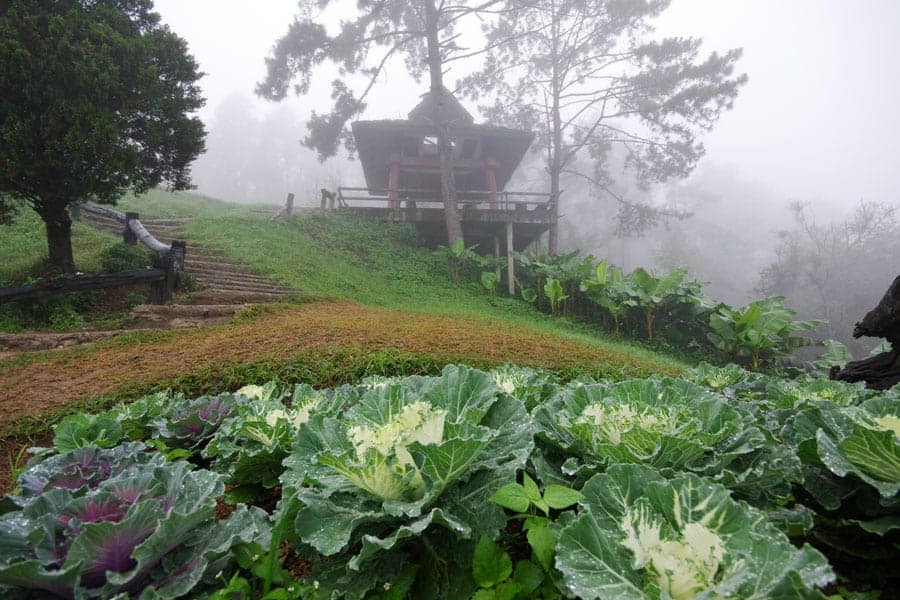
Chiang Mai—Thailand’s laid-back northern capital—has a way of making people slow down (even the go-go-go travelers). Wrapped in misty mountains and packed with culture, coffee, and some of the best food in the country, this “mountain gem” is equal parts ancient and modern: golden temples and night markets, jungle day trips and design-forward cafés, monk chants and co-working hubs.
Whether you’re here for a long weekend, a month of remote work, or a once-in-a-lifetime festival, this updated guide will help you plan a Chiang Mai trip that feels warm, easy, and deeply Thai.
Why Visit Chiang Mai Instead of the Beaches?
Thailand’s islands are iconic—but Chiang Mai offers a completely different kind of magic:
- Culture you can actually step into: old city walls, centuries-old temples, traditional crafts, and living Lanna heritage.
- Big experiences at a friendly price: great food, comfortable hotels, and memorable tours without the “resort markup.”
- Mountains and nature nearby: waterfalls, national parks, viewpoints, and day trips that don’t require flights or ferries.
- A welcoming, social vibe: Chiang Mai is one of the most popular long-stay and remote-work hubs in Southeast Asia, so it’s easy to meet people and find community.
Best Time to Visit Chiang Mai (and When to Avoid the Haze)
Chiang Mai is a year-round destination, but timing matters—especially for air quality.
The sweet spot
November to February is the classic “best weather” window: cooler evenings, comfortable days, and a lively travel scene.
Burning season
Northern Thailand often experiences smoky conditions during the late dry season, with the worst air quality commonly falling between February and April. IQAir
If you’re sensitive to air pollution (or just want the clearest mountain views), consider traveling Nov–Feb, or aim for late May onward when rains typically help clear the air.
Tip: If you’ll be in Chiang Mai in late dry season anyway, check daily air-quality readings, choose hotels with good filtration, and plan indoor-heavy days (museums, cafés, cooking classes, spa time).
Where to Stay in Chiang Mai: Best Areas for First-Timers
Old City (best for temples + walkability)
If you want to roll out of bed and be five minutes from historic temples, markets, and cafés, stay inside (or just outside) the Old City moat.
Nimman (Nimmanhaemin) (best for cafés + modern Chiang Mai)
Trendy, youthful, and packed with great coffee, restaurants, and shopping. It’s also convenient for co-working and longer stays.
Riverside (best for relaxed nights + boutique hotels)
A calmer vibe with pretty views, stylish hotels, and some excellent dining.
Top Things to Do in Chiang Mai
1) Temple-hop (yes, it’s worth it)
Chiang Mai’s temples aren’t just “tourist stops”—they’re living spaces full of incense, bells, and quiet moments.
Don’t miss:
- Wat Phra Singh (classic Lanna style, right in the Old City)
- Wat Chedi Luang (massive, iconic chedi + great atmosphere)
- Wat Umong (forest temple vibes, tunnels, peaceful grounds)
- Wat Phra That Doi Suthep (the famous mountain-top temple—go near sunset for dreamy views)
Mini-itinerary idea: Old City temples in the morning → long lunch → massage → night market.
2) Eat your way through Northern Thai cuisine
If Chiang Mai had a love language, it would be food.
Must-try local favorites:
- Khao Soi (curry noodle soup—rich, crunchy, addictive)
- Sai Oua (northern herb sausage—perfect with sticky rice)
- Nam Prik Noom (green chili dip—smoky, spicy, so good)
- Larb (northern-style versions can be bold and herbal)
You’ll also find excellent international food—plus a café scene that’s genuinely world-class.
3) Night markets: come hungry, leave happy
Night markets are one of Chiang Mai’s easiest joys. Think street food, handmade crafts, live music, and that “I’ll just browse for 10 minutes” lie you tell yourself before staying for two hours.
What to shop for:
- woven bags + textiles
- handmade soaps + skincare
- ceramics + home goods
- local snacks to bring home
4) Ethical elephant experiences (choose carefully)
If meeting elephants is on your Chiang Mai bucket list, you can do it responsibly—by choosing places focused on rescue, welfare, and natural behavior (not performances or riding).
A strong ethical baseline: no riding, no shows/tricks, no bullhooks, and ideally limited touching in favor of observation and education.
Options that publicly emphasize welfare-focused approaches include:
- Elephant Nature Park (well-known rescue and rehabilitation organization; offers visits including “hands off” style programs). Elephant Nature Park
- BEES (Burm and Emily’s Elephant Sanctuary) (promotes an observation-based, “hands-off” approach in its visitor program). BEES Sanctuary
You’ll see many “sanctuaries” around Chiang Mai—some better than others. When in doubt, prioritize transparency, education, and elephant-led interactions.
5) Treat yourself to Chiang Mai’s wellness scene
Chiang Mai takes self-care seriously—in the best way.
You’ll find everything from simple foot massages to full spa experiences, plus yoga and meditation options across the city.
A uniquely Chiang Mai experience many travelers seek out is the massage training and rehabilitation program associated with the Chiang Mai Women’s Correctional Center, which has been widely covered as a vocational initiative. National Geographic
(As always: confirm hours and procedures locally—popular spots can have lines or limited availability.)
Chiang Mai for Digital Nomads and Remote Workers
Even if you’re not working remotely, Chiang Mai’s “work-friendly” café culture is a nice bonus.
A few well-known places that remain active as of recent public listings:
- Punspace (coworking with central locations and a long-running community presence). punspace.com
- CAMP (MAYA area) (popular study/work hangout with posted operating hours on its official social page).
Easy Day Trips from Chiang Mai
One of Chiang Mai’s biggest flex is how quickly you can get from city streets to mountain air.
Popular day-trip ideas:
- Doi Inthanon National Park (Thailand’s highest peak, waterfalls, viewpoints)
- Sticky Waterfall (Bua Thong) (fun, unusual climbing waterfall experience)
- Chiang Rai (long day, but doable—White Temple is the headline)
- Lampang (for a more local-feeling northern city; if you’re temple-obsessed, this is where Wat Phra That Lampang Luang can make sense as a day trip rather than a Chiang Mai in-town stop)
Sample Itineraries
3 days in Chiang Mai (first-timer friendly)
Day 1: Old City temples + café + night market
Day 2: Doi Suthep + Nimman wandering + massage
Day 3: Ethical elephant visit or Doi Inthanon day trip
5–7 days (the “now we’re living” version)
Add: cooking class, more markets, a second nature day, riverside dinner, and a slower café day.
Conclusion: Chiang Mai Is the Kind of Place You’ll Miss Before You Leave
Chiang Mai doesn’t try too hard—and that’s exactly the charm. It’s a city of small delights that add up fast: temple bells in the morning, steaming bowls of Khao Soi, conversations with travelers who become friends, and mountain sunsets that feel like a deep exhale.
Come for the culture and food, stay for the warmth—both the weather and the people.
Related Questions
1) What is the main religion in Thailand?
Buddhism is the dominant religion in Thailand and deeply shapes everyday life, festivals, temples, and cultural etiquette. Islam, Christianity, and other faiths are also present across the country.
2) What are the best non-beach places to visit in Thailand?
If you love culture, cities, and mountains, top non-beach picks include Chiang Mai, Bangkok, Chiang Rai, Pai, and historic destinations like Ayutthaya and Sukhothai—each with its own vibe beyond the coastline.
3) How many days do you need in Chiang Mai?
You can enjoy Chiang Mai in 3 days, but 5–7 days is the sweet spot if you want temples and nature day trips and unhurried food-and-coffee time.
4) Is Chiang Mai family-friendly?
Yes—night markets, easy day trips, ethical animal experiences, and relaxed dining make it a great destination for families (just plan around heat and air quality if traveling late dry season).
This comprehensive guide to Chiang Mai is curated based on firsthand experiences and thorough research, providing valuable insights into the city’s attractions, accommodations, and unique offerings.