
Thailand is still one of the world’s most loved destinations—and for good reason. Think island sunsets, legendary street food, warm hospitality, night markets, and temples that stop you in your tracks.
But the best trips happen when you know what you’re walking into.
This updated guide shares five “less-talked-about” realities that make some travelers pause—and, more importantly, how you can plan around them so your Thailand adventure stays safe, respectful, and genuinely joyful.
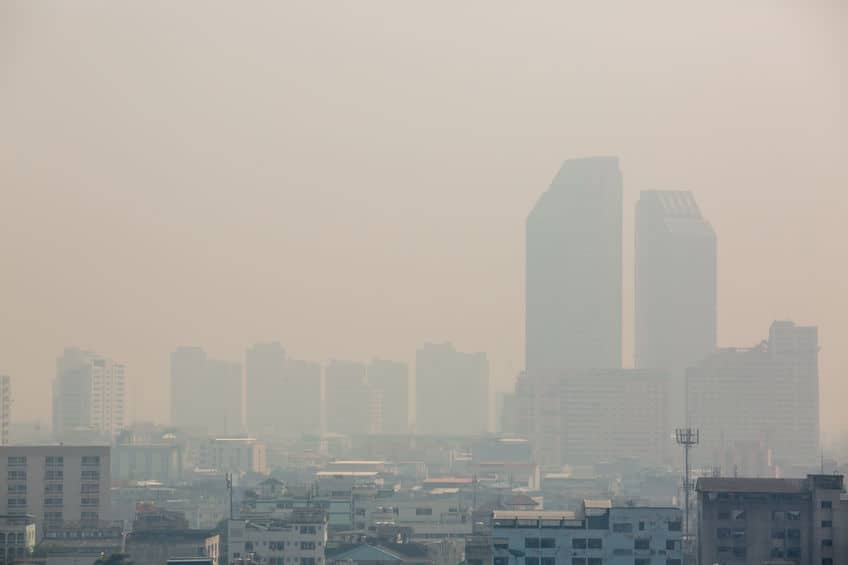
1) Bangkok Smog and Seasonal Air Quality (Yes, It’s a Real Factor)
Bangkok can be magical… and then you check the sky and realize it’s not clouds.
Air pollution—especially PM2.5—tends to spike during parts of the dry season, and Bangkok authorities regularly issue health-impact alerts when levels rise. Around the New Year period (late Dec–early Jan), Bangkok officials have specifically warned of PM2.5 build-ups and “orange-level” conditions that can affect health. nationthailand
How to plan smart (without panic)
- Check air quality daily before you book day trips or outdoor tours. Bangkok has an official air-quality portal (AirBKK/BMA). stations.airbkk.com
- Use Thailand’s official Air4Thai tool (Pollution Control Department monitoring stations). It’s active on both Android and iOS, and the Android listing shows recent maintenance updates (mid-2025). Google Play
- Pack an N95/KN95 if you’re sensitive to pollution, have asthma, or just want the option.
- Build in “indoor wins” for high-AQI days: museums, markets, temples with indoor halls, spa time, cooking classes.
- If you’re flexible, consider splitting time between Bangkok and a destination that often feels “easier” on the lungs (coastal areas or islands can be a nice break—though conditions vary).
Bottom line: smog doesn’t have to ruin your trip—but ignoring it can.
2) Political Sensitivities: What to Avoid So You Don’t Accidentally Get in Trouble
Thailand’s political environment can be unpredictable at times, and multiple governments explicitly advise travelers to avoid protests, demonstrations, and political gatherings.
One area travelers often underestimate: speech laws related to the monarchy (lèse-majesté / Section 112). Ireland’s travel advice puts it plainly: criticism of the monarchy is a crime and can carry long jail sentences.
There have also been high-profile cases in recent years, including charges brought against a foreign academic under Section 112 (showing how serious Thailand can be about enforcement).
Travel-friendly rules of thumb
- Don’t debate Thai politics in public, especially in bars, tours, or online posts while you’re in-country.
- Steer clear of protests even if they seem peaceful—things can change quickly, and tourists can get caught in the middle.
- If you want to learn, do it respectfully: museums, history tours, and cultural experiences are better “classrooms” than heated conversations.
3) Strict Laws (Especially Drugs) + Tough Detention Conditions
Thailand is not the place to “wing it” with legal risk.
UK travel guidance warns that Thailand has strict laws on drugs, and even possession of small quantities can lead to heavy penalties—up to and including the death penalty for certain categories. It also notes detention conditions can be harsh, with limited healthcare access.
The UK’s prisoner information pack further reinforces that medication access and healthcare realities inside detention can be difficult.
A big 2025–2026 update many tourists miss: cannabis rules tightened
Thailand’s cannabis situation has been in flux, and multiple major outlets reported moves to restrict sales to medical/prescription-based access (not casual tourist recreation).
So even if you’ve heard “weed is legal in Thailand,” treat that as outdated and confirm current rules before you travel.
Simple ways to stay safe
- Do not carry anything for strangers (packages, sealed bags, “gifts”).
- Bring prescriptions in original packaging and check medication legality before arrival. The U.S. State Department explicitly advises checking with Thai authorities and keeping prescriptions with you. Travel.gov
- If nightlife is part of your plan, stick with people you trust and keep your drink in sight (more on that below).
4) Sex Tourism and Trafficking: Travel Responsibly, Spend Ethically
Thailand’s tourism economy is huge—and like many countries, it has an exploitative side that travelers should not ignore.
The U.S. State Department’s 2025 Trafficking in Persons Report (Thailand) discusses ongoing risks and continued anti-trafficking efforts, with Thailand listed as Tier 2. State
Separately, credible reporting has documented trafficking and forced labor linked to scam operations in border regions, with Thailand receiving trafficking victims repatriated from Myanmar.
What ethical travel looks like (practical edition)
- Book tours and experiences with transparent pricing, clear business identities, and real reviews (not copy-paste listings).
- Avoid any “experience” that hints at coercion, exploitation, or suspicious labor conditions.
- If you see something that feels wrong, trust your gut and leave—then report it through appropriate local or embassy channels.
You don’t have to carry the whole world on your shoulders—but you can choose where your money goes.
5) Sensory Challenges + Personal Safety (Especially Nightlife and Transportation)
Thailand is lively—beautifully so. But it can be intense if you’re sensitive to crowds, heat, noise, strong smells, or chaotic traffic.
And like any major tourist destination, common-sense safety matters. UK travel guidance specifically warns that drink spiking and drug-assisted sexual assault can occur in tourist areas (with male and female victims), and advises not leaving drinks unattended or accepting drinks from strangers. GOV.UK
For travelers with sensory sensitivities
- Choose hotels with quieter rooms (higher floors, away from nightlife streets).
- Plan “recovery blocks” (pool time, café breaks, massage, early nights).
- Use daytime for temples and parks; save markets/nightlife for shorter bursts.
For personal safety (including women traveling solo)
Bangkok is often experienced as welcoming and fun—but the smart move is to layer in habits that reduce risk:
- Use licensed transport / reputable apps when possible, especially at night.
- Don’t accept last-minute rides from unlicensed drivers.
- Share your live location with a friend when heading home late.
- Keep your drink in your hand (or don’t drink—also a power move).
Regional caution: border areas can change fast
The U.S. travel advisory urges increased caution in Thailand and notes specific higher-risk areas—including along parts of the Thailand–Cambodia border. Travel.gov
Conclusion: Thailand Is Worth It—When You Travel Informed
Thailand can absolutely be an unforgettable, life-giving trip. The goal isn’t to scare you off—it’s to help you travel with eyes open.
If you plan around air quality, respect political sensitivities, treat laws seriously, spend ethically, and take normal safety precautions, you’ll give yourself the best chance at the Thailand you came for: joyful, delicious, fascinating, and full of those “I can’t believe I’m here” moments.
Related Questions
Things You Shouldn’t Do in Thailand
- Don’t attend (or linger near) protests or political gatherings.
- Don’t discuss the monarchy critically (in person or online).
- Don’t take drug risks—ever (including assuming cannabis rules are “tourist-friendly”).
- Don’t leave drinks unattended or accept open drinks from strangers.
- Don’t ignore AQI if you have asthma/allergies—check before big outdoor days.
Is Bangkok Safe for Female Tourists?
Many women visit Bangkok and have a great experience. The strongest approach is confident + prepared:
- Stick to reputable transport at night, keep drink safety habits, and avoid isolated situations with strangers.
- Choose accommodations in well-lit, well-reviewed areas and plan your route home before you go out.
- If you’re uneasy, leave—Bangkok has plenty of safer, calmer alternatives for the night (night markets, cafés, rooftop restaurants, cultural shows).
As a seasoned traveler with extensive experience in Southeast Asia, I provide an honest exploration of Thailand’s challenges, offering valuable insights to fellow adventurers.