
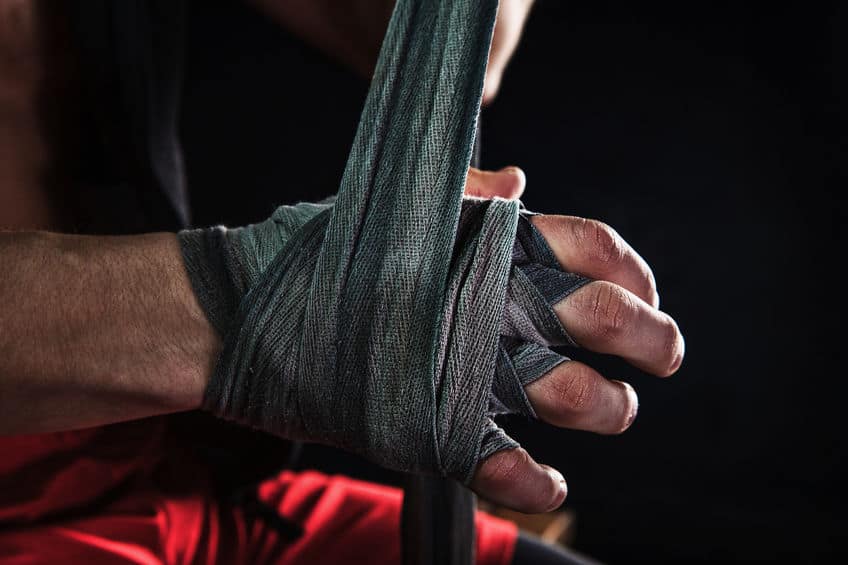
Thailand has a special way of turning “I want to get in shape” into “I can’t believe I get to do this.” Whether you’re coming to sharpen your technique, reset your routine, or simply try something wildly different on vacation, Muay Thai training in Thailand is one of the most exciting (and surprisingly life-giving) ways to spend your time in the Land of Smiles.
But here’s the secret: your experience depends a lot on choosing the right camp, pacing yourself, and leaning into the culture—not just the workouts. Let’s make sure your trip is the kind you’ll be talking about for years.
Choosing the Right Muay Thai Camp in Thailand
Before you pack gloves and dreams of roundhouse kicks, take a little time to choose a camp that matches your goals, fitness level, and travel style. Thailand has everything from huge, international training facilities to smaller, community-focused gyms where everyone knows your name by day three.
What to consider before you book
1) Your goal
- Fitness + fun: You want sweat, structure, and a great vibe (no pressure to fight).
- Skill-building: You want technique, pad work, and coaching that levels you up fast.
- Fight camp: You’re serious about competing and want a more intense, disciplined environment.
2) Camp size and “feel”
- Larger camps can offer more class variety (Muay Thai, strength & conditioning, MMA, BJJ, yoga).
- Smaller gyms often feel more personal and tight-knit.
3) Location and lifestyle
- Beach + convenience: Great if you want training plus restaurants, cafés, and easy transport.
- Island pace: Perfect if you want a slower rhythm between sessions and recovery.
- City energy: Amazing if you want fights, nightlife, and sightseeing after training.
Two well-known camps that are currently operating
- Tiger Muay Thai & Mixed Martial Arts (Phuket): A major training destination with a wide range of classes and an international crowd—great if you like options, structure, and a “training campus” atmosphere. tigermuaythai.com
- Diamond Muay Thai (Koh Phangan): A popular island camp known for a more community-oriented feel—ideal if you want training balanced with beach time and the Koh Phangan lifestyle. Diamond Muay Thai
Tip: If you’re new, look for camps that welcome beginners and clearly explain class levels. If you’re experienced, check whether they offer advanced sessions, clinch-focused training, and serious pad rounds.
Embracing Muay Thai Culture (It’s Part of the Magic)
Muay Thai isn’t only a workout—it’s a living piece of Thai heritage. Even if you’re only training for fitness, understanding the traditions makes you a better student and a more respectful traveler.
You’ll notice cultural elements like:
- Wai Kru / Ram Muay: The respectful pre-fight ritual and performance honoring teachers, family, and the sport.
- Gym etiquette: Listening closely, staying humble, and putting in consistent effort matters just as much as raw talent.
- Trainer-student respect: Thai gyms often have a strong sense of hierarchy and pride—show up with a good attitude and you’ll get a lot back.
The payoff? You start feeling connected—not just to your own progress, but to the history and heart behind it.
Managing Costs: Budgeting for Muay Thai Training in Thailand
Training in Thailand can be an excellent value compared to many Western countries, but costs still add up quickly if you don’t plan. The main budget buckets are:
The big cost categories
- Flights: Usually your largest single expense.
- Accommodation: Ranges from budget rooms to nicer resorts depending on location.
- Training fees: Often offered per class, weekly, or monthly.
- Food + daily life: Thailand can be affordable, but tourist areas can creep up.
- Extras: Laundry, gear, massages (you’ll want them), scooter/taxis, excursions.
Train & Stay packages vs. booking separately
Many camps and nearby hotels offer Train & Stay options that bundle lodging and training. This can simplify your planning and sometimes saves money—especially if you’re staying for a week or longer.
Budget travelers can absolutely piece things together too:
- Book training weekly or by the class
- Stay in guesthouses
- Eat local (and delicious) street food
Friendly reality check: Most people feel amazing the first few days… and then discover muscles they didn’t know existed. Build in recovery time so you don’t burn out early.
Benefits Beyond Fighting: Why Muay Thai Changes People
Even if you never step into a ring, Muay Thai has a way of upgrading your life.
People often leave Thailand with:
- Better discipline: You train even when you’re tired (and that carries into everything else).
- Real resilience: You learn to stay calm under pressure—physically and mentally.
- Confidence: You’ll feel stronger, sharper, and more capable.
- Improved wellbeing: Fitness, sleep, mood—everything tends to improve with consistent training and sunshine.
It’s not about becoming “tough.” It’s about becoming steady.
Exploring Thailand While You Train (Yes, You Should!)
Training might be the main event—but don’t miss the rest of Thailand. A great Muay Thai trip balances sweat with wonder.
Ideas that pair perfectly with training weeks
- Bangkok: Street food adventures, markets, temples, and world-class fight nights.
- Chiang Mai: Slower pace, mountain views, temples, and a calmer reset vibe.
- Islands: Recovery days on the beach, snorkeling, sunsets, and a lighter schedule.
Want to watch real fights in Bangkok?
Two iconic venues with active event programming include:
- Rajadamnern Stadium: Offers recurring Muay Thai events and ticketing through its official site. Rajadamnern
- Lumpinee Boxing Stadium: Frequently hosts major promotions and scheduled fight nights. Muay Thai Stadiums
Watching a live fight after you’ve trained even a little hits differently—you’ll suddenly understand timing, balance, and toughness on a whole new level.
Related Experiences: Wellness, Recovery, and “The Full Thailand Reset”
Muay Thai pairs beautifully with other wellness experiences Thailand is famous for. Consider mixing in:
- Yoga or mobility classes (especially if you’re training hard)
- Thai massage (seriously—your legs will thank you)
- Meditation retreats in quieter areas
- Cooking classes so you can take Thai flavors home with you
Your trip can be part training camp, part adventure, part personal reset—and that’s a pretty unbeatable combo.
Quick FAQ: Muay Thai Training in Thailand
How long should I stay?
A week is enough to fall in love. Two to four weeks is where you’ll see noticeable technique and conditioning progress.
Is Muay Thai training in Thailand beginner-friendly?
Yes—many camps welcome beginners. Just pick a gym that clearly supports first-timers and doesn’t throw you into advanced sparring on day one.
Do I need to fight?
Nope. Plenty of people train purely for fitness, confidence, and fun.
What should I pack?
Light training clothes, hand wraps, and a good attitude. Many people buy gloves and shin guards locally once they arrive.
Helpful Links
- Tiger Muay Thai (Phuket): tigermuaythai.com
- Diamond Muay Thai (Koh Phangan): Diamond Muay Thai
- Rajadamnern Stadium (Bangkok): Rajadamnern
- Lumpinee Stadium info/schedules: Muay Thai Stadiums
s a seasoned traveler and martial arts enthusiast, I’ve experienced firsthand the rigorous training and cultural immersion offered by Muay Thai camps in Thailand. Drawing from personal experience and extensive research, this guide provides valuable insights for anyone looking to embark on a Muay Thai training journey.