
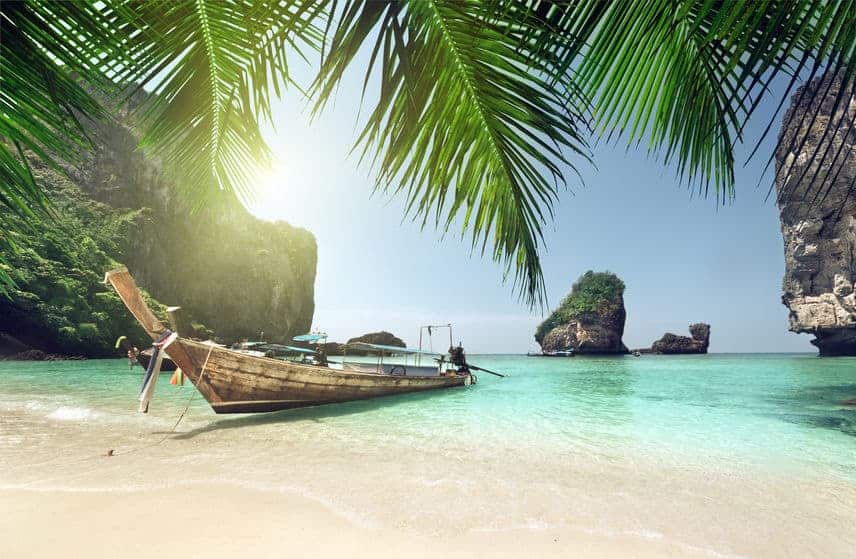
Phi Phi Islands are one of those rare places that somehow live up to the postcards: turquoise water, dramatic limestone cliffs, soft sand, and snorkeling spots where the ocean looks like it’s been turned up to “HD.” Whether you want lazy beach days, epic viewpoints, or a full-on underwater adventure, Phi Phi delivers—especially if you plan it with a few smart, up-to-date tips.
This guide walks you through exactly how to get to Phi Phi, what to do once you arrive, where to find calmer beaches, which dive operators are currently operating, and what to know about Maya Bay’s conservation rules and seasonal closures.
Where Are the Phi Phi Islands?
The Phi Phi Islands (Koh Phi Phi) sit in Thailand’s Andaman Sea, between Phuket and Krabi. The main island you’ll sleep on is Phi Phi Don (the only inhabited island). The famous cinematic scenery—yes, The Beach vibes—comes from Phi Phi Leh, home to Maya Bay.
How to Get to Phi Phi Islands
1) Ferry: the classic, budget-friendly option
Most travelers reach Phi Phi by public ferry, typically departing from:
- Phuket (often via Rassada Pier)
- Krabi Town (commonly via Klong Jilad Pier)
- Ao Nang (seasonal schedules vary)
Expect roughly 1–2 hours depending on your departure point, vessel type, and sea conditions. Ferries run frequently, but timetables can shift with weather and season—so it’s smart to book a day or two ahead during peak months.
Seasickness tip: If you’re prone to motion sickness, take tablets before boarding and choose a seat mid-boat where motion is usually gentler.
2) Speedboat: faster, splashier, pricier
Speedboats cut the travel time (often around an hour from Phuket), which can be great if you’re short on time or traveling as a group—just note they can feel bumpier in choppy water. Thailand Ferry Booking
3) Booking tickets without the stress
You can book through:
- your hotel/hostel desk
- reputable ferry booking platforms
- piers and local agents (fine, but compare times and what’s included)
A helpful habit: confirm whether your ticket includes pier transfers (from town/hotel to the pier), especially in Phuket and Krabi.
Getting Around Phi Phi (What to Expect Once You Arrive)
Phi Phi Don is compact and walkable around the main village (Tonsai). There are no cars in the central areas—just footpaths, bicycles, and the occasional handcart. To reach beaches farther out, you’ll typically use:
- longtail boats (iconic, flexible, great for short hops)
- water taxis arranged by your accommodation
Best Things to Do in Phi Phi Islands
1) Hike to the Phi Phi Viewpoint (worth the sweat)
If you do one “classic Phi Phi” activity, make it the viewpoint. The trail climbs above Tonsai and rewards you with that jaw-dropping twin-bay panorama.
Go early for cooler air and fewer people (and dreamy light for photos). AllTrails.com
2) Snorkeling: easy, colorful, addictive
You don’t need to be a diver to see Phi Phi’s underwater magic. Join a snorkeling trip (half-day or full-day), or hire a longtail to hop between a few calm bays. Look for trips that emphasize reef-friendly practices and avoid overcrowded stops at peak times.
3) Island-hopping day trips (Phi Phi Leh + lagoons)
Many visitors do a day trip around Phi Phi Leh for the big scenery—lagoon views, dramatic cliffs, and photo stops. If Maya Bay is on your list, read the conservation section below so you know exactly what to expect.
4) Nightlife (or a mellow beachfront evening)
Phi Phi can be lively at night, especially around Tonsai. If you want that fun, social island vibe, you’ll find beach bars and nightlife clustered in town. If you’d rather sleep early, consider staying a bit outside the main hub (or on a quieter beach area).
Fire performances are still a signature evening entertainment on Phi Phi—usually hosted by beachfront venues in the main village area. visit-phiphi.com
Diving in Phi Phi: What It’s Like (and Who to Go With)
Diving around Phi Phi is popular for a reason: warm water, interesting limestone formations, and plenty of marine life. You’ll find options for:
- beginner “try dives”
- Open Water certifications
- fun dives for certified divers
- advanced trips (including deeper sites and wreck dives)
Reputable dive operators currently operating on Phi Phi
If you want names you can actually look up and book with, these dive centers are active and publicly listing current operations/courses:
- Princess Divers (Koh Phi Phi) (SSI-affiliated listing + current trip info) Princess Divers
- The Adventure Club (Phi Phi) (PADI dive center listing + active trip schedules) PADI
- Island Divers / Phi Phi Island Divers (active dive-trip listings and center info) Island Divers
If you’re staying up at Laem Tong / the northern end of Phi Phi Don, some resorts also host on-site dive operations (often via established partners). SAii Hotels & Resorts
About “the King Cruiser wreck” (important update)
Older posts sometimes hype the King Cruiser wreck as a must-dive. Here’s the current reality: some operators no longer offer it because the structure has deteriorated and doesn’t meet their safety standards. Princess Divers
If wreck diving is on your bucket list, ask about safer local alternatives—for example, the Kled Gaeow wreck (deliberately sunk as an artificial reef) is promoted by some Phi Phi operators and sits around advanced depths. The Adventure Club
Beach Escapes: Phi Phi’s Prettiest (and Quieter) Spots
Phi Phi can get busy, especially in the main village zone. The good news: you can still find pockets of calm—particularly if you go early, go a little farther, or visit in shoulder season.
Here are a few favorites travelers often seek out for a quieter feel:
- Laem Tong Beach: northern, more resort-oriented, mellow
- Long Beach: popular but less chaotic than the town center, great for swimming days
- Nui Beach / other small coves: often best reached by boat, nice for a “get me away from it all” afternoon
- Phak Nam Bay and Moo Dee Bay: more tucked away, ideal when you want a peaceful, tropical reset
(Availability and vibe can change with season and sea conditions—boat access is the key variable.)
Maya Bay in 2026: What’s Open, What’s Allowed, and What’s Changed
Maya Bay is open—but it’s managed as a conservation area with strict rules.
Key things to know before you go
- Swimming is not allowed; visitors can typically wade only to knee depth.
- Seasonal conservation closures happen (for example, Maya Bay was closed Aug 1–Sep 30, 2025, and reopened Oct 1, 2025). Thaiger
- Visitor management (limits and controlled access) is part of the ongoing protection plan. Private Speedboat Phuket
The vibe is different from the early-2000s free-for-all—and honestly, that’s a good thing. It’s still breathtaking, just more thoughtfully protected.
National Park Fees and the New E-Ticket System
Phi Phi is part of a marine national park area, and there’s typically a national park entry fee (often collected via tours/boats or at entry points). The Tourism Authority of Thailand lists park fees for Phi Phi Don Island at 400 THB for adults and 200 THB for children. Tourism Authority of Thailand
Big update: e-tickets launched for select marine parks
Thailand’s Department of National Parks announced an e-ticket system for six marine national parks (including Hat Noppharat Thara–Mu Ko Phi Phi), implemented starting October 15, 2025, to improve transparency and fee collection. Bangkok Post
Translation: if you’re visiting now and into 2026, it’s wise to double-check current entry procedures with your tour provider (or the official park channels) so you’re not surprised at the pier.
Responsible Tourism Tips (Small Choices, Big Impact)
Phi Phi is gorgeous—but it’s also fragile. A few easy habits make a real difference:
- Bring a reusable water bottle and say no to extra plastic
- Use a rash guard for sun protection and choose reef-friendlier products
- Never touch coral (even “dead-looking” coral is often alive)
- Don’t feed monkeys or marine animals (it harms them and can get you bitten)
- Book tours that cap group sizes and avoid crowding sensitive areas
Sample Phi Phi Itineraries
If you have 1 day
- Morning: viewpoint hike
- Midday: beach time (Long Beach or a boat-access beach)
- Afternoon: snorkeling trip
- Evening: dinner + relaxed beachfront walk
If you have 2–3 days (sweet spot)
- Day 1: settle in + viewpoint + town exploration
- Day 2: Phi Phi Leh boat day (with Maya Bay if open)
- Day 3: diving day (or a second snorkel/beach hop) + sunset
Phi Phi Islands FAQ
Can you still visit Maya Bay?
Yes, but expect conservation rules, seasonal closures, and no swimming.
Is Phi Phi better from Phuket or Krabi?
Both work. Phuket often has more departure options; Krabi/Ao Nang can be more convenient if you’re already exploring Railay or the Krabi coastline. Ferry duration varies by route and vessel. Thailand Ferry Booking
Is Phi Phi good for diving beginners?
Yes—there are beginner-friendly programs and certifications offered by multiple active dive centers on the island. Princess Divers
Conclusion: Say Yes to Phi Phi Magic (With a Smart Plan)
Phi Phi Islands are still one of Thailand’s most dazzling escapes—sparkling water, cinematic cliffs, and underwater scenes that feel like another world. The biggest “update” is that Phi Phi (especially Maya Bay) is now being managed more carefully, which means you can enjoy it with a little more intention—and help keep it beautiful for the travelers who come after you.
So pack your swimsuit, bring your sense of adventure, and don’t forget those seasickness tablets. Phi Phi is ready when you are.
Authored by Foster Daly, an avid traveler and experienced writer with firsthand knowledge of Phi Phi Island. Drawing on personal experiences and thorough research, this guide provides valuable insights for travelers seeking an unforgettable adventure.