
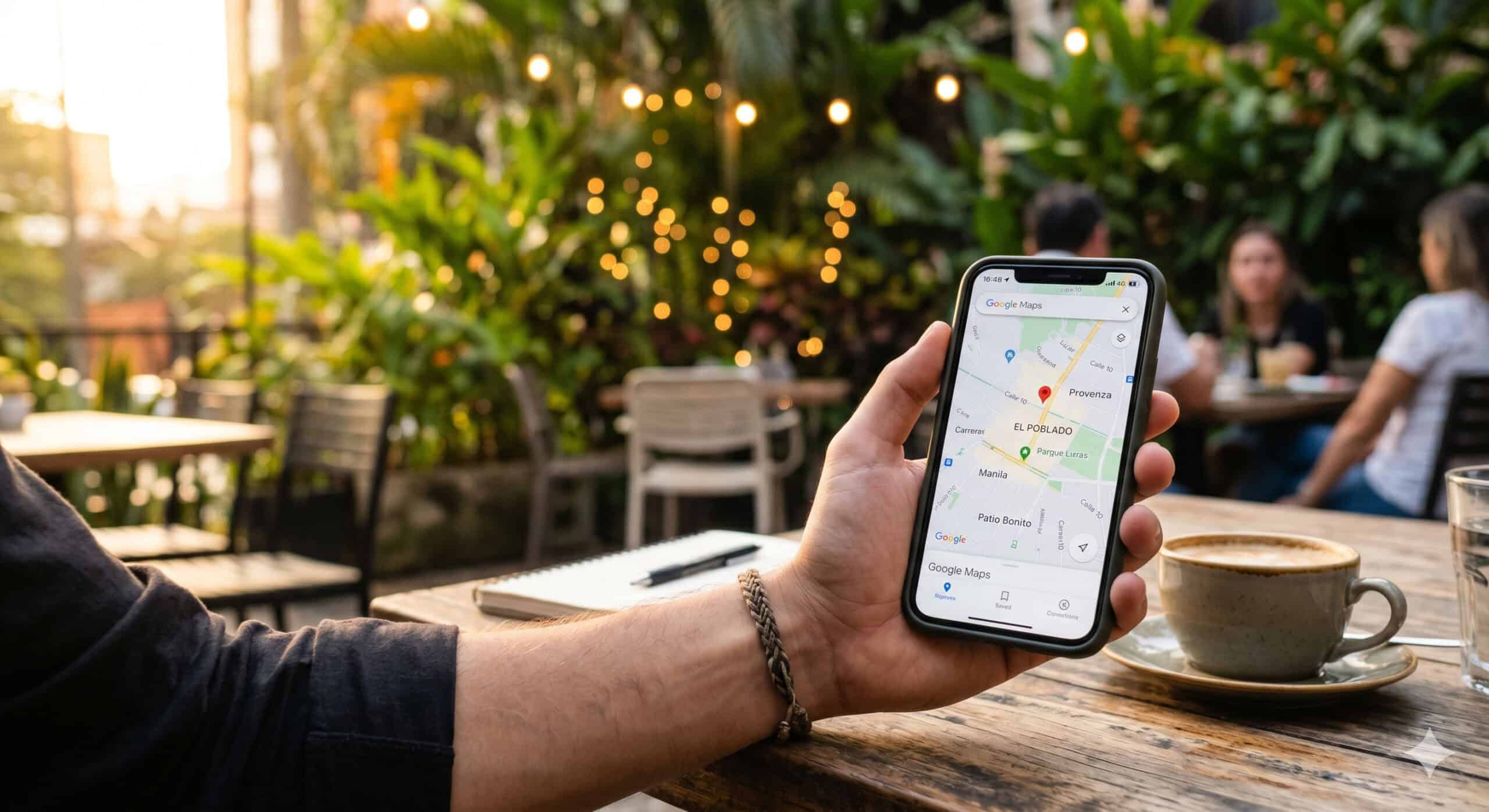
Landing at José María Córdova Airport and discovering your home carrier charges $15/day to roam is a special kind of vacation-ruiner. The good news: Colombia is one of the most affordable countries in the world for mobile data, and getting connected in Medellin is genuinely fast once you know what to buy and where to buy it. Whether you’re here for a long weekend in El Poblado or a month in Laureles, this 2026 guide covers the Medellin SIM card options that actually make sense — with real prices, carrier rankings, and the IMEI details most guides skip.
Pick Your Plan by Trip Length
1–14 Days: Travel eSIM
For short visits, a travel eSIM is hard to beat. Buy it before you board, turn it on when you land, and you’re ordering a ride before your bag hits the carousel. Top choices for Colombia include Airalo, Holafly, and Nomad — all sell Colombia data plans that activate instantly via QR code, no store visit required.
Two things worth knowing upfront: most travel eSIMs are data-only, so you won’t get a local Colombian phone number. And those “unlimited” plans from providers like Holafly include fair-use speed throttling after heavy usage. For the typical tourist using maps, messaging, and social media, that limit rarely bites. If you’re hotspotting a laptop all day, factor it in before you commit to the cheapest unlimited tier.
2–8 Weeks: Local Prepaid SIM (Prepago)
This is where a local SIM card earns its place. You’ll spend the equivalent of $2–$8 USD to get a plan that includes a Colombian phone number and more data per dollar than any travel eSIM on the market. Claro is the carrier I’d start with for Medellin — best nationwide coverage and you’ll find their stores in every major mall in the city.
By law, you need your passport to buy a local SIM in Colombia — carriers are required to register each card to an ID. It’s a five-minute process at any official store, and a digital PDF of your passport usually works fine.
2+ Months: Postpaid (Pospago)
Monthly billing is worth considering for long stays, but it comes with more friction — ID checks, billing setup, sometimes local paperwork. For most digital nomads who don’t want to deal with that, prepaid still handles multi-month stays without any problem. Start with prepaid and switch only if you find yourself constantly running out of data.
Travel eSIM vs. Local SIM: What Actually Makes Sense for Medellin
The choice comes down to convenience versus cost. Travel eSIMs win on zero friction: buy online, activate digitally, skip the store entirely. The trade-off is price — you’ll typically pay more per gigabyte than you would with a local SIM. Local prepaid SIMs win on value by a wide margin.
Here’s what real pricing looks like in 2026: A Claro prepago chip costs around 5,000 COP (~$1.25 USD) and you can add data plans starting at 7,000 COP (~$1.75) for 1.5 GB/7 days, or 31,000 COP (~$7.75) for 9 GB/30 days with unlimited calls and texts included. Tigo offers 10 GB for 15 days at 20,000 COP (~$4.20). Compare that to most travel eSIM plans where you’ll pay $10–$20+ for similar amounts of data. It’s not even close.
One genuine advantage of a travel eSIM: you can run it alongside your home SIM. Set the eSIM as your data connection and keep your home number active for WhatsApp, 2FA codes, and banking apps that don’t like unfamiliar numbers. If your phone supports dual SIM (most modern iPhones and flagship Androids do), that’s a legitimately useful setup for short trips.
The Best Mobile Carriers in Medellin SIM Card Market
Three carriers dominate Colombia: Claro, Movistar, and Tigo. Here’s how they stack up for Medellin visitors.
Claro is the safest default. It holds the largest market share in Colombia by a wide margin and has the strongest 4G coverage both across Medellin’s neighborhoods and throughout the wider Antioquia region. It also tends to hold signal better indoors — a real factor in the concrete-heavy high-rises common in El Poblado and Laureles. If you’re only buying one SIM and want it to just work everywhere, Claro is the call.
Tigo is a strong contender for city-based trips. In head-to-head speed tests, Tigo frequently posts the fastest raw 4G data speeds in Colombian cities and offers competitive prepaid pricing. If you’re spending your entire Medellin stay in the city and want the fastest possible connection, Tigo is worth considering alongside Claro.
Movistar has noticeably weaker rural coverage than the other two. It’s fine inside Medellin proper, but if you’re taking day trips to Guatapé, the Coffee Region, or anywhere outside major urban areas, Claro or Tigo will serve you better. As of 2025, Movistar’s coverage maps are disappointing outside the big cities — most knowledgeable sources flag this as a reason to avoid it for Colombia travel.
Where to Buy a SIM Card in Medellin
Official carrier stores inside major shopping malls are the right move — staff are experienced with foreign phones, registration is quick, and you avoid the counterfeit SIM issues that come with informal markets.
Good mall options across Medellin include El Tesoro Parque Comercial in El Poblado, Santafé Medellín, and Centro Comercial Monterrey — which doubles as a solid hub for phone accessories, screen protectors, cases, and repairs if you need any of that. Large supermarkets like Éxito and Jumbo also carry prepaid SIMs and top-up cards, which is useful once you have an active plan and just need to add data.
The airport situation: Don’t count on walking off your flight and finding a full-service carrier kiosk in the arrivals hall at MDE. There’s no official carrier booth in arrivals — there’s a phone shop on the second floor of the departure hall that sells Claro tourist SIMs, but it’s not always consistent for availability. If you want guaranteed connectivity from the moment you land, either buy a travel eSIM before you fly or plan to head to a mall store on your first afternoon in the city.
One more thing: avoid street vendors for SIM cards. Some sell cards registered to stolen identities, which can create problems if that identity shows up in the system. The five-minute process at an official store isn’t worth skipping.
IMEI Registration in Colombia: What Travelers Actually Need to Know
Colombia’s IMEI registration system is designed to keep stolen phones off local networks. In practice, it matters more depending on how you’re connecting.
If you’re using a travel eSIM or your home carrier’s international roaming plan, you can almost certainly ignore this entirely. Most short-stay tourists using these methods never encounter any registration issue.
If you’re inserting a local SIM into a phone you bought outside Colombia, registration may come up. Dial *#06# to find your IMEI, screenshot it, and keep a digital copy of your phone’s purchase receipt handy. Each carrier handles the process slightly differently — Claro has an IMEI registration flow through their website, Tigo will notify you via SMS before blocking an unregistered device (don’t ignore that message), and Movistar also provides registration guidance through their customer portal.
For most tourists on a short trip, this comes up once — at the store counter when you buy the SIM — and takes about 60 seconds. For the longer version of what to expect with IMEI rules in other countries, we’ve covered this topic in detail for Indonesia as well.
Colombian Dialing Rules and Emergency Numbers
Colombia uses 10-digit dialing. Medellin and the Antioquia department use the geographic code 604, so calling a local landline from your mobile means dialing 604 + the 7-digit number. Bogotá landlines use 601. If you’re trying to call a hotel or business and the call isn’t going through, double-check that you’re dialing the full 10 digits starting with 60X — this trips up a lot of visitors.
For emergencies, the unified line in Medellin is 123 — covers police, fire, and medical response. Save it before you need it.
Quick Phone Safety Tips for Medellin
Medellin has changed dramatically from its past, but it’s still a city of 2.5 million people and phone theft is real. A few practical notes:
- Keep your phone pocketed in El Centro (downtown) and on the Metro during peak hours — the southbound Metro from City Centre toward Poblado gets very crowded 4–8 pm and phones walk off.
- Use inDrive, DiDi, and Uber for rides — all require a working data connection, so have your SIM sorted before you need a lift from the airport or a late-night ride back from Parque Lleras.
- Keep your home SIM active as a backup even if your eSIM is your primary connection — essential for bank apps and 2FA that are tied to your original number.
- Set up your eSIM or confirm your SIM plan before you leave the airport Wi-Fi zone — it’s the one time you’re guaranteed free connectivity to troubleshoot any activation issues.
Already sorted on where to stay? Our full guide to the best neighborhoods in Medellin breaks down El Poblado, Laureles, and Envigado so you can pick the right base for your trip — neighborhood also affects your day-to-day Wi-Fi situation, which matters if you’re working remotely.
Frequently Asked Questions About Medellin SIM Cards
Do I need a passport to buy a SIM card in Medellin?
Yes. Colombian law requires carriers to register every SIM to a passport or national ID. Bring your passport to any official carrier store — most accept a digital photo on your phone, but some stores prefer the physical document. The process takes about five minutes.
Can I buy a local eSIM after I arrive in Colombia?
Yes. Claro, Tigo, and Movistar now sell eSIM plans at their official stores in Medellin. But if you want data the moment you land — without a store visit — buying from Airalo, Holafly, or Nomad before you travel is significantly faster and more reliable.
Which carrier has the best coverage in Medellin?
Claro has the broadest coverage in Colombia overall, including the best indoor signal in Medellin’s high-rise apartments and concrete buildings. Tigo posts faster raw 4G speeds in many urban areas and is an equally solid choice if you’re staying entirely in the city. Movistar lags behind both, particularly outside major urban zones.
Is 5G available in Medellin in 2026?
Yes, but it’s limited. Claro, Movistar, and Tigo commercially launched 5G in Colombia in February 2024, with Medellin included as a covered city. You’ll need a 5G-capable device, and coverage is concentrated in central urban areas. Most visitors won’t notice the difference from 4G LTE for everyday use.
How do I top up a prepaid SIM in Medellin?
At any official carrier store, via the carrier’s app, at Éxito or Jumbo supermarkets, or through USSD codes directly on your phone. For Claro, dial *101# to add a data package. For Tigo, visit any store or top up through their website. Top-ups are cheap enough that most visitors only need to do it once or twice during a longer stay.
What if my phone gets blocked on a Colombian network?
Go straight to an official carrier store with your IMEI (dial *#06#), your passport, and any proof of purchase for your phone. Tigo sends an SMS warning before blocking — don’t ignore it. In most cases, the carrier can resolve an IMEI registration issue in-store during a single visit.
Once your data plan is sorted, Medellin gets really fun really fast. You’ll navigate the city, book rides through apps, find the best coffee spots, and stay in touch without hunting for Wi-Fi at every turn. Still planning your flights to Medellin? We’ve got that covered too.
Recent Posts
Frankfurt Airport Layover Guide: What to Do With 6–24 Hours (2026)
Frankfurt Airport (FRA) is Europe's fourth-busiest airport, which means the odds of getting routed through it on your way to Prague, Nairobi, or Bangkok are pretty good — and so is the chance...
You're staring at a scooter accident video on TikTok, a headline about a missing tourist, and a friend's warning about "that Bali crime wave," and you're wondering: is Bali safe in 2026? Short...